
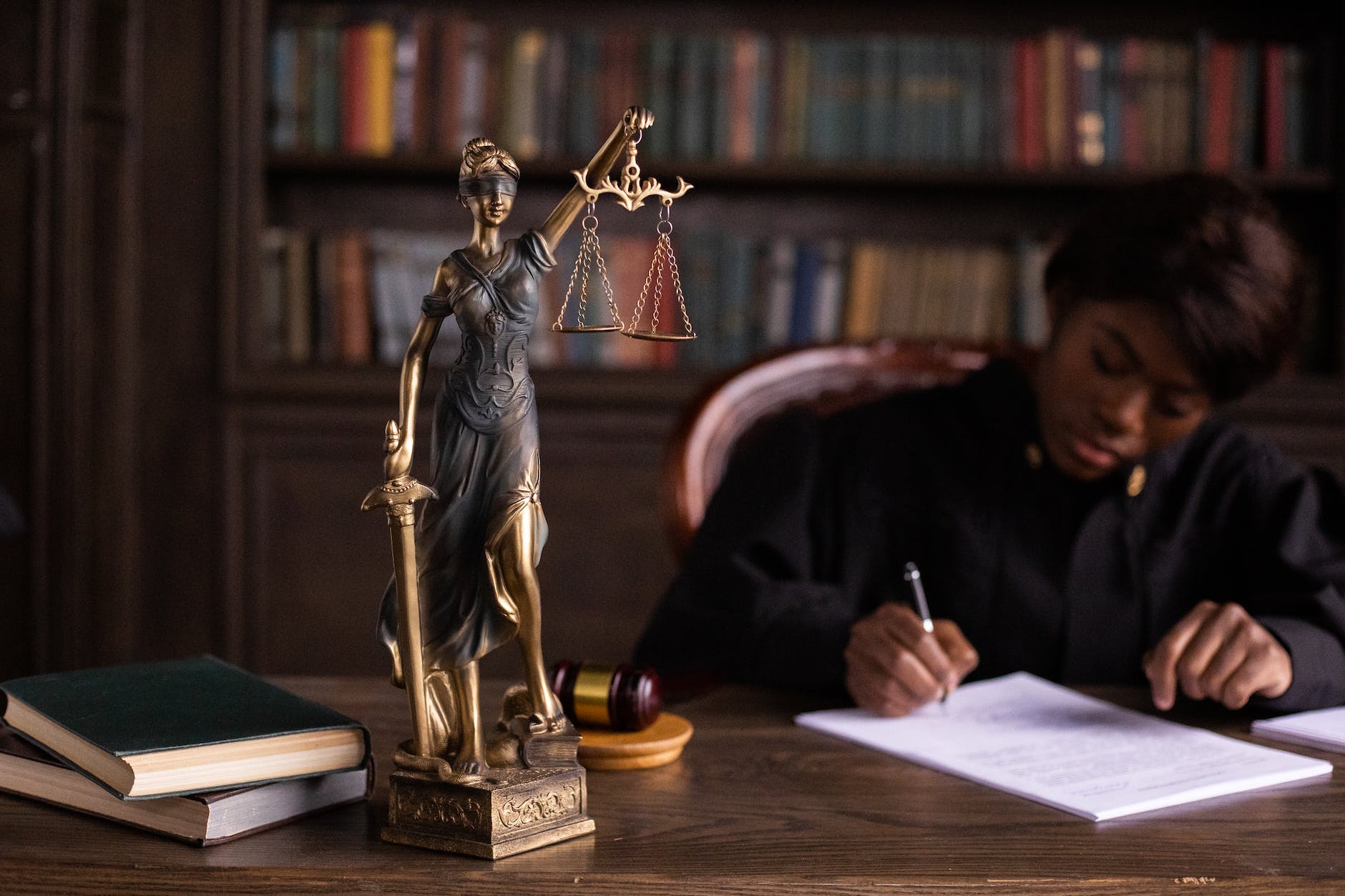
The short answer to this question is yes. In our common law system, judges make law. In fact they make it, change it modify it and repeal it all the time. A recent example is the Dobbs decision which overturned Roe v. Wade. The Constitution did not expressly grant a woman’s right to have an abortion. In Roe, acting on a previously recognized right to privacy, the Supreme Court extended that idea to a woman’s right to terminate a pregnancy. In other words, it created the right to abortion by judicial decision. In Dobbs it repealed that right. What the Justice give the Justices can take away.
During confirmation hearings or judicial elections, you will hear potential judges always insist that they do not make law, they only interpret the law. The reason they say this is because everyone knows that judges on our highest courts make law. We just like to pretend they don’t as we think the idea that a few old men and women making law for us goes against our democratic form of government. It really does not, but that is another post for another day. (I will add that trial court judges rarely if ever make law, so for the most part we are not talking about your local judge.)
In our modern age of statutes, a judges ability to make law is somewhat restricted. If the legislature has passed a law, the judges are to abide by it, but they must also interpret it. By interpreting it they often make new law and give new meaning to the language of the statute. But many of the laws we rely on every day are not written down in statutes. For example, the law that holds a person liable for damages caused by his negligence does not exist in any statute. It comes from the common law and was created and recognized by judges over a long period of time. It goes back to the 1600s but did not come into anything close to its present form in England until the late 1700s and in the United States until the early to mid-1800s. So the next time you get rear-ended, thank the common law.
The problem is not that judges make law in our system, but how they make it, and what sort of guiding principles they use in deciding cases and making hard decisions. Those cannot be put into a sound bite, or a social media post. Having such discussions can get very confusing and boring to most people. It does not make good TV. So, instead of demanding honesty we settle for a candidate saying he or she does not make law they only interpret it. Sometimes they even say something is settled law and they will not change once they are elected or confirmed to the bench. That is sort of like someone offering to sell you the Brooklyn Bridge. You want to believe it, but you know it is a said with a wink and is not really true. The next time you hear a high court judicial candidate say they do not make law they only interpret it, just remember that sometimes to interpret = make law.
 jmhogglaw.com